Construction & Design
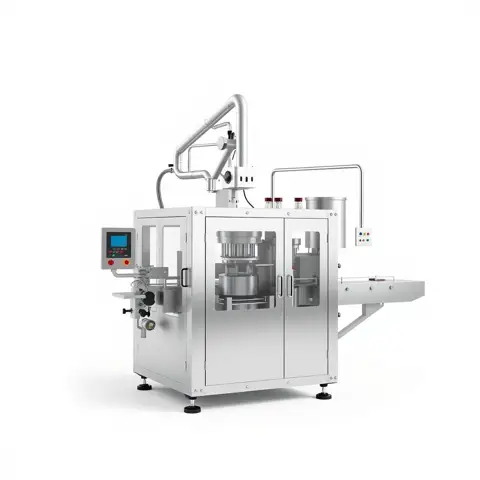
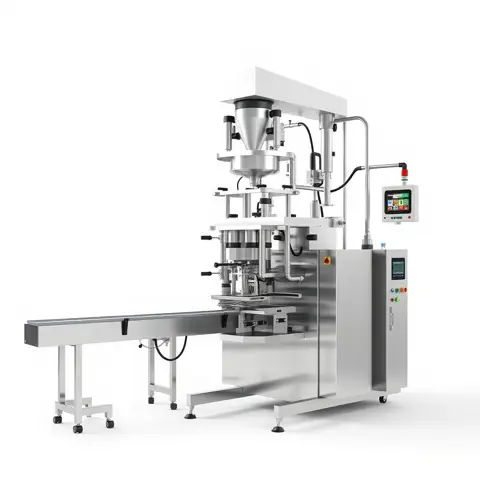
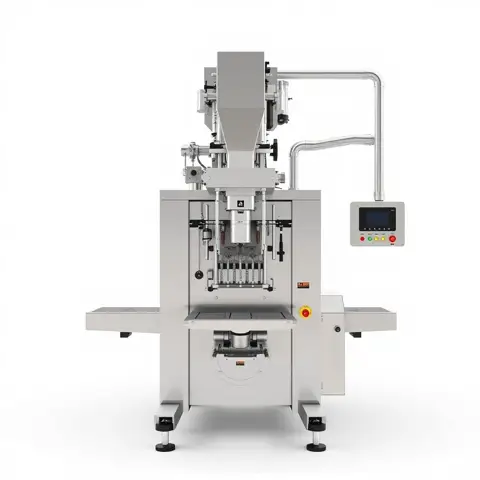
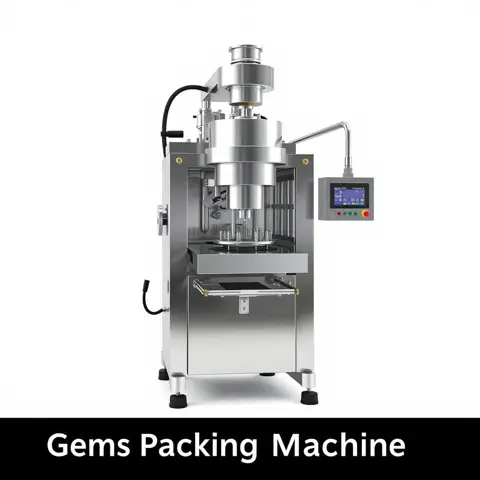
The construction of a vacuum powder filling machine depends on the intended application, powder characteristics, packaging format, and level of automation. Key machine assemblies are arranged to provide an organized filling cycle and convenient operation.
Product-contact components can be selected according to the material being packed and the required production environment. The feeding and filling arrangement is designed around the characteristics of the powder, including its flow behaviour and required filling method.
The machine layout can also be configured to integrate with other packaging equipment where required. This allows industrial buyers to select a setup that fits their existing packaging line or production workflow rather than relying on a single standard arrangement.
Working Process
The operating sequence generally begins with supplying the powder to the machine's filling system. The packaging container or pouch is positioned in the designated filling area.
The machine then uses its vacuum-based filling mechanism to draw and transfer the required quantity of powder into the packaging. The filling cycle is controlled according to the selected configuration and product requirements.
After filling, the package can proceed to the next packaging stage, such as sealing or further handling, depending on the complete production setup.
The exact filling method, cycle arrangement, and control parameters depend on the machine configuration, powder characteristics, packaging format, and customer's production requirements.
Industrial Applications
Vacuum powder filling equipment can be considered for a variety of powder-packaging operations, including:
-
Food and ingredient powders
-
Pharmaceutical and healthcare-related powders, where the machine configuration is suitable
-
Chemical powders
-
Nutraceutical and supplement powders
-
Spice and seasoning powders
-
Agricultural and industrial powder products
-
Specialty powdered materials
-
Other free-flowing or suitable powder products
Before selecting a machine, buyers should evaluate powder density, flow behaviour, particle characteristics, required filling quantity, and packaging format.
Key Benefits
A suitable vacuum powder filling machine can provide several operational benefits:
-
Reduced Manual Filling: Automates an important part of the powder packaging process.
-
Controlled Filling: Supports repeatable filling according to the configured filling system.
-
Improved Workflow: Creates a more organized filling process for industrial packaging lines.
-
Application Flexibility: Can be configured for different powder products and packaging requirements.
-
Production Integration: Can be planned for integration with other packaging equipment where required.
-
Better Handling: Controlled machine operation can reduce unnecessary manual contact with the product during filling.
Performance & Reliability
Machine performance depends on several factors, including powder characteristics, filling quantity, packaging material, operating conditions, machine configuration, and maintenance. For this reason, buyers should specify their product and packaging requirements before finalizing equipment.
Regular cleaning, inspection, and maintenance of product-contact and moving components can help maintain consistent operation. The machine should be operated according to the manufacturer's recommended procedures and the configuration supplied for the specific application.
For industrial buyers, reliability should be assessed not only from the machine itself but also from its suitability for the intended powder, packaging format, production environment, and operating schedule.
Why Choose Durga Packaging Machine?
Durga Packaging Machine focuses on packaging machinery for industrial and commercial requirements. For buyers evaluating Vacuum Powder Filling Machine Manufacturers in Nashik, the machine can be discussed according to the actual product, filling requirement, packaging format, and desired configuration.
The equipment can be planned around application-specific requirements rather than assuming that every powder product requires the same filling arrangement. Buyers can communicate their material characteristics, desired filling range, packaging type, and production requirements to determine a suitable configuration.
This approach helps manufacturers, procurement teams, exporters, and packaging businesses evaluate equipment based on practical operating needs and future production requirements.